What is the EU Deforestation Regulation (EUDR) and how can we prepare for it?
EUDR regulations
What are the key takeaways from EUDR?
The EU Deforestation Regulation (EUDR) is an EU regulation designed to ensure that products placed on or exported from the EU market do not contribute to deforestation or forest degradation. It may not be new to many as it has been around for a while though postponed to the end of 2026. While the implementation timeline has been adjusted, the regulation is moving forward. Preparing now allows companies to strengthen supplier relationships, improve traceability, and avoid a last-minute scramble for data.
Here are some of the details to encourage you to get a head start and meet stakeholder and market expectations.
What data is required for EUDR compliance?
To comply, companies must trace their supply chains, assess risks, mitigate issues, and submit official due diligence statements. The data then needed for this includes the location, quantity, supply chain contacts, legality, shipment documentation and evidence showing no deforestation has occurred. Companies can use existing monitoring tools of the EU on the platform called the Observatory. All which then must be submitted as a Due Diligence Statement facilitated by the the TRACES platform of the EU to create a simplified declaration of the above data.
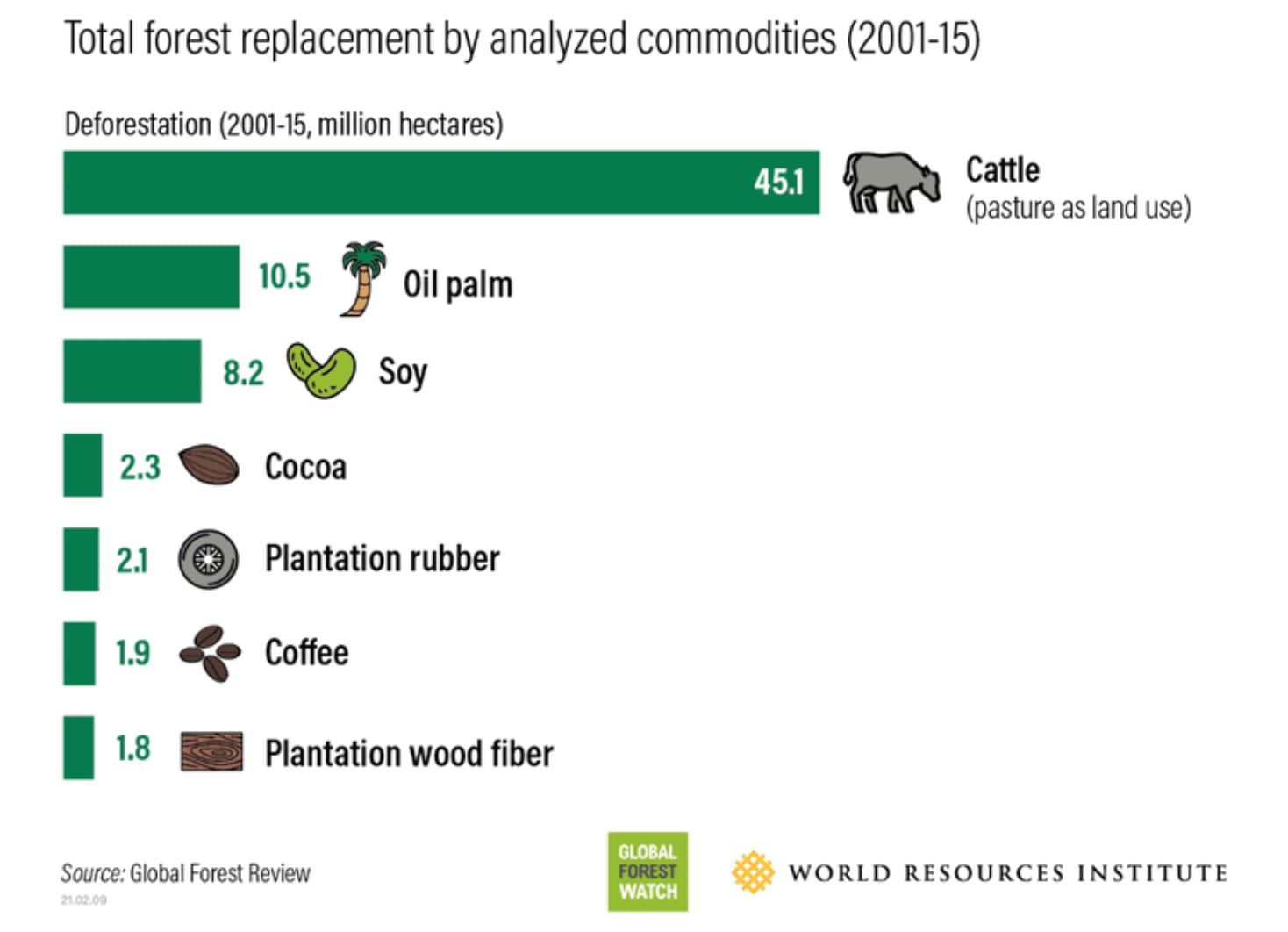
Some sectors are specifically linked to the EUDR and not surprisingly food is at the top of the list since the main driver of deforestation is the expansion of agricultural land. As well as the following land intensive commodities produced for:Food and beverageextiles and fashion, and construction and furniture. The EUDR applies to seven commodities linked to deforestation:
- Cattle
- Palm oil
- Soy
- Cocoa
- Coffee
- Natural rubber
- Wood
Furthermore, this applies to a number of processed products derived from these commodities and the EUDR makes no distinction based on whether the production took place in or outside of the EU.
When does the EUDR apply?
The obligations under the EUDR vary depending on your role in the supply chain. It is then firstly key to understand whether you are considered an operator or a trader.
- Operator: As an operator you are the first actor in the value chain placing the product on the local market or exporting it.
- Trader: You buy or resell the product on the EU market without any alterations.
The time ofthe compliance differs on the size of the reporting entity as well.
- 30 December 2026 Downstream operators and traders (all sizes),Operators (large and medium-sized enterprises)
- 30 June 2027 Operators who are natural persons and micro-enterprises for the rest of EUDR products
What do the EUDR country risk classifications mean?
The European Commission has introduced a benchmarking system classifying countries as low, standard, or high risk. The assigned risk level can significantly change the extent of the required due diligence and inspections. If you're sourcing from high risk countries it is important to invest early in robust traceability and documentation systems to reduce compliance risks. So far thehigh risk classified countries are the following: Belarus, North Korea, Myanmar and the Russian Federation.
How can companies prepare for the EUDR?
Preparing for the EUDR is ultimately about building a more transparent and resilient supply chain. While the regulation does not require greenhouse gas accounting, many of the same supplier and traceability datasets are also needed for Scope 3 emissions reporting and broader sustainability initiatives.Rather than collecting similar information multiple times for different regulations, companies can benefit from a single source of truth.
Unibloom is a data company for sustainable procurement to help validate, develop and compare data for sourcing and sourcing alternatives based on emissions, cost, and risk. With a specialisation in food and fashion, Unibloom generates the data needed to support EUDR due diligence while helping you to through next steps of emissions reduction cost-effectively and smarter.